


Why Cheese Straws Earn Their Place
There is something quietly brilliant about a cheese straw. It costs very little, takes about twenty minutes of actual work, and yet it arrives at the table looking as though you have been fussing all afternoon. They are the thing people reach for first at a party, the thing that disappears from a picnic blanket before the sandwiches are even unwrapped, and the thing that makes a bowl of soup on a wet Tuesday feel like a proper supper.
The beauty of them is that they are made from ready-rolled puff pastry, which means you skip the laminating, the resting and the cursing. All you are really doing is layering flavour into something that already knows how to puff. Get the ratio of cheese to pastry right, keep everything cold, and bake them hard enough to drive out every last bit of moisture, and you will never buy a packet again.
What You Need
One 320g sheet of ready-rolled all-butter puff pastry is the sensible starting point, and it should come from the chiller rather than the freezer — frozen pastry that has thawed on a countertop goes flabby and leaks butter. All-butter pastry tastes noticeably better here because there is so little else in the recipe to hide behind.
- 320g ready-rolled puff pastry, chilled
- 100g mature cheddar, grated on the coarse side of the box grater
- 1 tsp English mustard powder
- A good pinch of cayenne pepper
- 1 egg beaten with a splash of milk, for glazing
- Flaky sea salt and a scattering of poppy or sesame seeds
Use mature cheddar, not mild. You want a cheese that shouts, because the pastry and the oven will dilute it. Coarse grating is deliberate: fine gratings vanish into the dough, while coarser shreds leave little pockets of molten cheese that crisp at the edges. If you have a stub of stale parmesan in the fridge, grate 20g of it in with the cheddar — it adds a savoury depth that people cannot quite place.
The Method, Step by Step
Unroll the pastry onto its own sheet of baking paper and sit it on a work surface. Brush the whole surface lightly with egg wash — this is the glue that holds everything together. Scatter over the cheddar, the mustard powder and the cayenne, then press it in gently with the flat of your hand or a quick pass of a rolling pin.
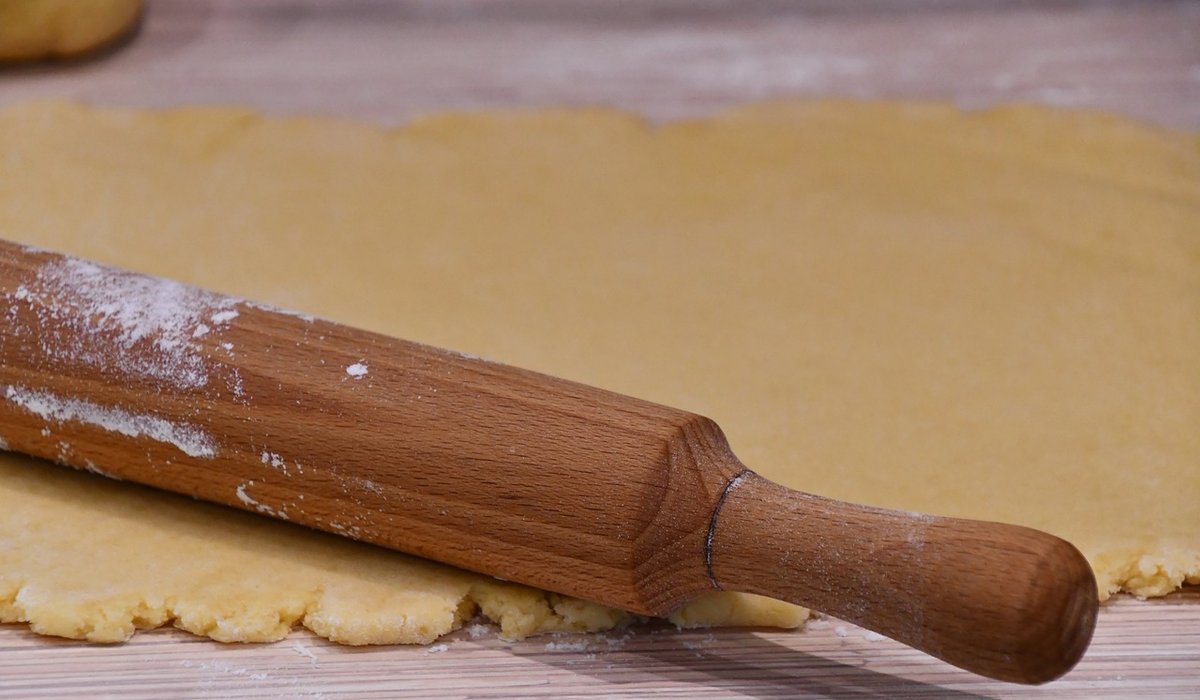
Fold the pastry in half, short side to short side, and roll it back out to roughly 28cm x 20cm and about 3mm thick. You are not aiming for perfect geometry, just an even thickness so the straws bake at the same rate. Brush the top with more egg wash and scatter over a little extra cheese, the salt and the seeds.
Now cut. A sharp knife or a pizza wheel, straight down, no sawing, into strips about 1.5cm wide. Lift each strip, twist it two or three times along its length, and lay it on a lined baking tray, pressing the ends down firmly so they do not unravel. Leave a couple of centimetres between them — they spread as they puff.
Chill the tray for 15 minutes. This is the step most people skip and the one that makes the difference between a neat twist and a butter-slicked puddle.
Bake at 200°C fan / 220°C conventional / gas 7 for 12–15 minutes, until they are deep golden, not merely pale gold. Underbaked cheese straws are chewy and sad; properly baked ones snap. Cool them on a wire rack, which keeps the undersides crisp.
Seasonal and Coastal Twists
This is where the recipe becomes yours. The base is deliberately plain so it can carry whatever the coast and the calendar offer.
- Coastal: a teaspoon of dried seaweed flakes or laverbread stirred into the cheese gives a wonderful briny finish that tastes of rock pools and sea air. A little smoked cheddar alongside the mature works beautifully too.
- Spring: finely chopped wild garlic leaves, folded in with the cheese.
- Summer: lemon zest and snipped chives — sharp and clean beside a flask of cold tea on a windy beach.
- Autumn: rosemary needles and plenty of coarsely cracked black pepper.
- Winter: crumbled Stilton and chopped walnuts, or smoked paprika and a little extra cayenne for a Boxing Day drinks tray.
Making Ahead, Storing and Serving
Cheese straws are at their absolute best within an hour or two of baking, but they keep well in an airtight tin for three days. If they soften, a 5 minutes blast at 180°C brings them back to life as if fresh.
To freeze, twist the straws onto a lined tray, freeze until solid, then tip into a bag. Bake straight from frozen, adding 2–3 minutes to the timing. That way you are never more than a quarter of an hour from a warm, crisp handful.
Serve them with chutney, a dish of olives, or simply on their own with something cold to drink. At a picnic, wrap them in greaseproof paper and stack them in a tin rather than a plastic box — they need air, not a steam bath. And do make more than you think you need. You will eat three before they have cooled.


Leave a reply