


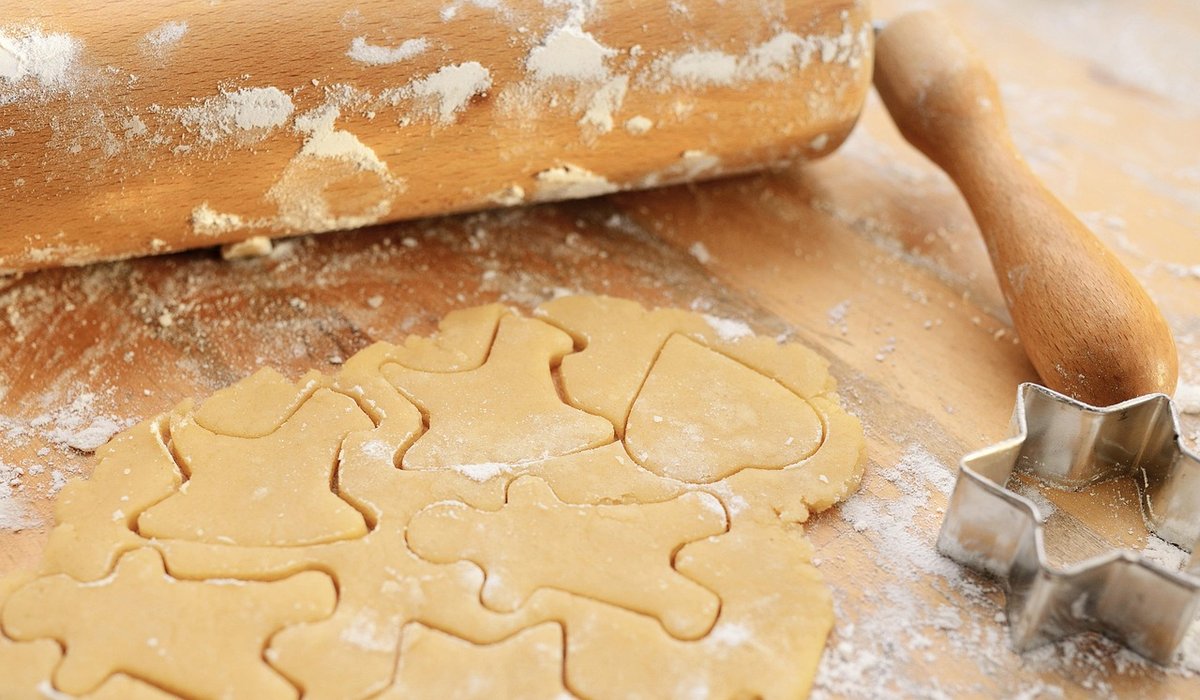
There is something quietly comforting about a tin of oat cookies on the kitchen counter. They sit somewhere between a biscuit and a flapjack, hearty enough for a mid-morning cup of tea and just sweet enough for the end of a long walk. The trick is getting them properly chewy in the middle — not cakey, not brittle — and that comes down to the oats, the sugar and, most importantly, taking them out of the oven before they look ready.
Why Oats Make a Better Cookie
Rolled oats are the backbone of this recipe. They absorb moisture and release it slowly, which is exactly what keeps a cookie soft for days rather than hours. They also give structure, so you can get away with a slightly wetter dough than a plain flour cookie would allow. Use standard porridge oats rather than jumbo oat flakes or instant oats. Jumbo flakes stay a bit chewy and coarse, which is pleasant in a flapjack but distracting in a cookie, while instant oats turn to a paste and give you something closer to a soft cake.
The raisins matter just as much. Plump ones, ideally soaked for ten minutes in hot tea or apple juice and then drained well, give little bursts of sweetness that contrast with the spice. If your raisins are dry and shrivelled, you will taste it.
The Ingredients That Matter
- 100g unsalted butter, softened, plus a pinch of flaky sea salt if you are using unsalted butter
- 100g light muscovado sugar and 50g caster sugar — the muscovado brings moisture and a faint caramel note
- 1 large egg, at room temperature
- 1 tablespoon golden syrup, which helps the chew more than any other single ingredient
- 150g plain flour
- 1 teaspoon baking powder and ½ teaspoon bicarbonate of soda
- 1½ teaspoons ground cinnamon, ¼ teaspoon grated nutmeg and a pinch of ground cloves
- 150g rolled oats
- 100g raisins, soaked and drained
Cream the butter and sugars for a full three minutes until pale and fluffy. Add the egg and golden syrup and beat again. Fold in the dry ingredients with a spatula rather than a mixer — overworking the dough develops gluten and gives you a tougher bite. Stir the oats and raisins through last.
Chilling, Shaping and the Case for Patience
This is the step most people skip and then wonder why their cookies spread into lacy puddles. Cover the bowl and chill the dough for at least an hour, or overnight if you have the time. Chilling firms the butter, hydrates the oats and lets the spices settle. The dough will look dry and crumbly when it comes out of the fridge, but warm hands fix that quickly.
Roll into balls roughly the size of a walnut — about 40g each, which gives you sixteen cookies from this batch. Space them well apart on two lined baking trays; they will spread. If you want a proper bakery look, press two or three extra raisins onto the top of each ball before baking.
Baking for a Chewy Centre
Heat the oven to 180°C (160°C fan, Gas 4). Bake one tray at a time on the middle shelf for 11 to 13 minutes. The edges should be set and faintly golden while the centres still look underdone, slightly glossy and a little puffy. That is exactly right. They carry on cooking on the hot tray.
Leave them on the tray for ten minutes before moving them to a wire rack. If you try to lift them straight away, they will tear. If you bake them until they look firm all over, you will get a crisp biscuit rather than a chewy cookie — perfectly nice, but not what we are after here.
Seasonal and Coastal Twists
This base recipe takes kindly to change, and the coast is a good place to start. A quarter teaspoon of flaky sea salt stirred into the dough, or scattered on top before baking, sharpen the sweetness beautifully. Chopped dark chocolate and dried cranberries make a good winter version, while chopped dried apricots and a little orange zest suit late spring.
In autumn, swap half the raisins for finely diced apple, patted dry with kitchen paper, and add an extra pinch of cinnamon. In summer, when the hedgerows are full, a handful of fresh blackberries folded in gently — frozen ones work too, but do not thaw them — gives a jammy pocket in every bite. A spoonful of honey instead of golden syrup lends a floral note that sits well with a coastal picnic.
Keeping Them Soft
Store the cooled cookies in an airtight tin with a slice of apple or bread, which releases moisture and keeps everything tender for four or five days. They also freeze beautifully: layer them between sheets of baking parchment, freeze for up to three months and revive them in a low oven for five minutes. The dough itself freezes well too, rolled into balls, so you can bake four at a time whenever the kettle goes on.


Leave a reply